


Bestseller
Barcelona
Mies van der Rohe Pavilion: Skip The Line Ticket
Enjoy a calm visit to one of the most beautiful spaces in the city
4.6(2,267)
From
$10.10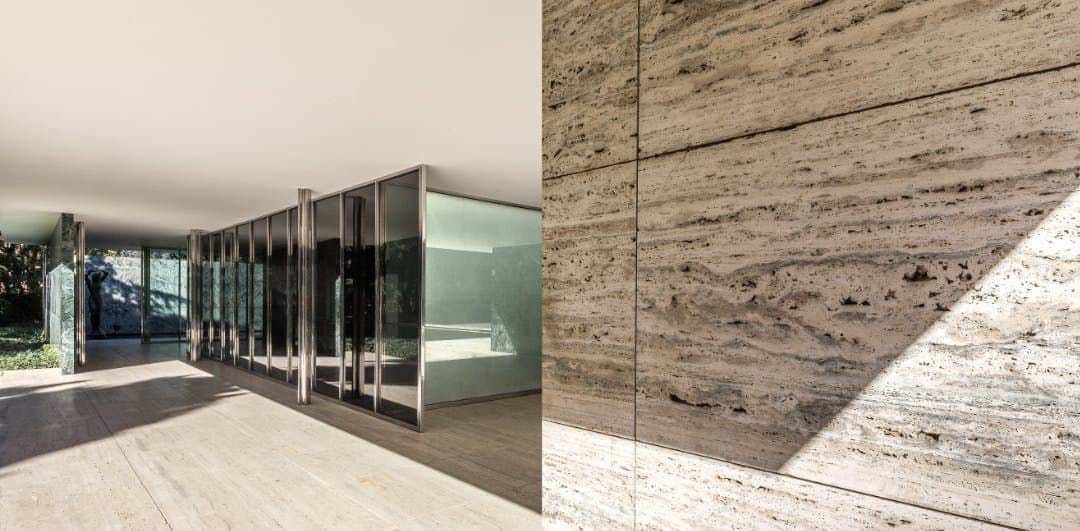
Enjoy groundbreaking modernist architecture at the Mies van der Rohe Pavilion in Barcelona. Secure fast-track priority entry tickets to bypass long lines and maximize your time exploring this tranquil landmark.
Enjoy a calm visit to one of the most beautiful spaces in the city
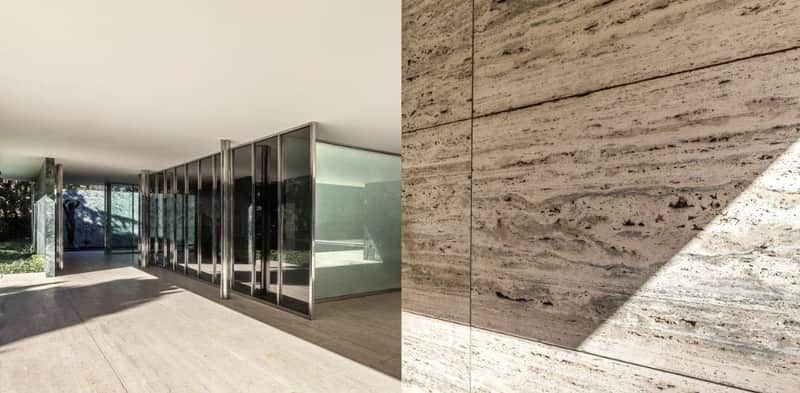
The Mies van der Rohe Pavilion stands as a landmark masterpiece of modern architecture, originally designed for the 1929 International Exposition in Barcelona. Renowned for its revolutionary minimalist design, clean geometric lines, and fluid integration of indoor and outdoor spaces, the structure seamlessly combines luxurious materials like marble, onyx, and travertine with modern industrial glass and steel. Visiting this serene architectural sanctuary offers a deep appreciation for the “less is more” philosophy that reshaped 20th-century design worldwide.
To fully enjoy this serene space without delay, securing fast-track priority entry tickets is essential. By taking advantage of direct timed-entry access, travelers can skip the main ticket lines and immediately step into the quiet elegance of the pavilion. Bypassing the wait ensures a smooth, stress-free arrival, saving valuable vacation time so you can spend every moment soaking in Barcelona’s rich cultural heritage at your own pace.
A visit to the Mies van der Rohe Pavilion offers an unparalleled encounter with a masterpiece that redefined modern architecture. Originally constructed for the 1929 International Exposition, this revolutionary structure embodies the philosophy of minimalist perfection. Stepping into the space brings a profound sense of tranquility, where luxurious materials such as onyx, travertine, and chrome steel melt into fluid lines. The interplay of glass and open water creates dynamic light reflections, inviting visitors to experience space not just as a physical container, but as a living piece of art.
To fully absorb the artistic genius and serene atmosphere of this iconic venue, smart travelers rely on seamless access. Securing direct timed-entry tickets ensures you avoid unnecessary waits, allowing you to bypass ticket queues and move smoothly into the experience. Priority access lets you preserve precious vacation time, keeping your focus entirely on the spatial harmony and historical significance of this extraordinary destination.
Gentle Light and Moderate Courtyard Crowds accompany the arrival of spring at the Mies van der Rohe Pavilion, where pleasant temperatures in the mid-60s Fahrenheit make lingering near the outdoor reflecting pools exceptionally enjoyable. Wait times at the entrance remain relatively short compared to major summer peaks, though midday tour groups can temporarily lengthen lines along the exterior plaza. The open-plan layout allows fresh spring breezes to circulate effortlessly between the indoor glass partitions and outdoor travertine walls, creating a comfortable climate throughout the visit.
Peak Sunshine and Sweltering Travertine Heat define the summer season, bringing maximum visitor numbers and longer queues at the entrance counter of the Mies van der Rohe Pavilion. Temperatures frequently rise above 85 degrees Fahrenheit, making the unshaded outdoor plaza feel intense, though advance online booking allows guests to skip the ticket queue and move directly inside. While the interior space provides relief from direct sunlight, the historic structure relies on natural cross-ventilation rather than central air conditioning, so visiting during cooler early morning hours offers the most comfortable atmosphere.
Temperate Days and Quieter Open Spaces mark the transition into autumn, leading to a noticeable reduction in tourist traffic and virtually nonexistent queues at the Mies van der Rohe Pavilion. Mild temperatures averaging around 68 degrees Fahrenheit create ideal conditions for exploring the seamless flow between the interior marble walls and the tranquil outdoor courtyard. With fewer visitors crowding the iconic Barcelona chairs and water features, the climate inside remains delightfully fresh and comfortable throughout the afternoon.
Crisp Solitude and Immediate Entry Lines make winter the quietest time of year to experience the Mies van der Rohe Pavilion, as tour queues disappear entirely outside of the holiday period. Outdoor temperatures often hover around 50 degrees Fahrenheit with occasional rain, requiring warm outer layers when admiring the exterior sculpture pool. Indoors, the compact marble and glass structure offers shelter from winter winds, allowing visitors to contemplate the open architectural geometry in a peaceful, serene environment without seasonal crowds.
Approaching from the Plinth: Begin your visit to the Mies van der Rohe Pavilion by ascending the stone stairs carved into the travertine base, taking a moment to appreciate the large exterior reflecting pool on the elevated terrace. Walk past the initial glass walls into the open-air court, observing how the expansive travertine floor creates a seamless transition between the outdoor plaza and the sheltered pavilion space. Move slowly past the translucent glass panels toward the inner courtyard to view the serene water basin, taking note of how the surrounding Alpine green marble walls frame the site’s atmosphere.
Exploring the Interior Spaces: Step inside the main pavilion area where the iconic golden onyx wall creates a central focus, guiding your path through the fluid, open-plan layout without rigid doors or rigid room boundaries. Pause by the minimalistic seating area featuring the classic Barcelona chairs, allowing yourself to observe how the chrome-plated cruciform columns appear to float beneath the flat roof plane. Conclude your tour in the enclosed rear courtyard, where Georg Kolbe’s bronze sculpture, Alba, stands above the smaller reflecting pond, casting dynamic reflections across the glass and polished stone surfaces.
The Mies van der Rohe Pavilion in Barcelona is open daily from 10:00 AM to 8:00 PM throughout most of the year. However, opening times may vary by season or during special events, with last entry allowed 15 minutes before closing.
The Mies van der Rohe Pavilion is closed on December 25th, but offers free admission on the first Sunday of every month, April 23rd, and September 24th.

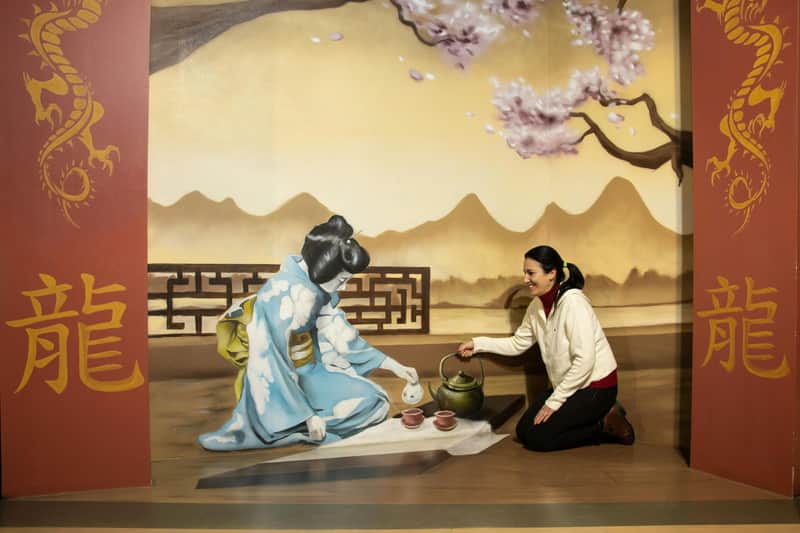
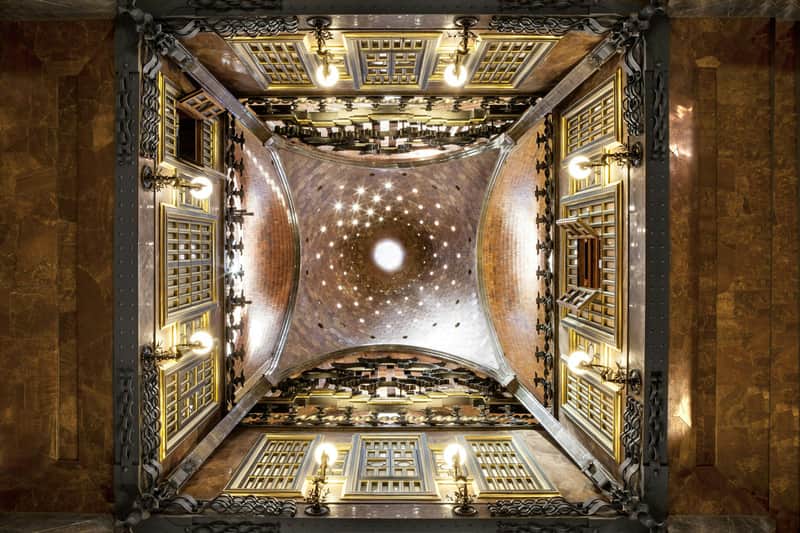

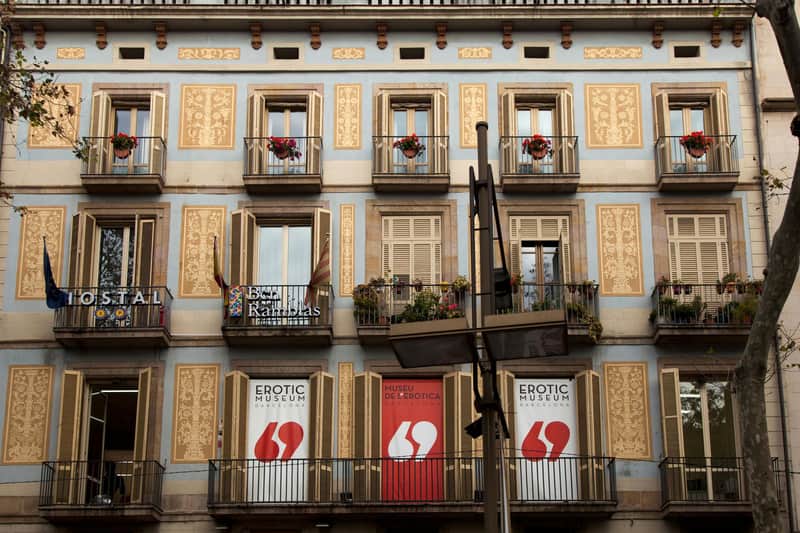

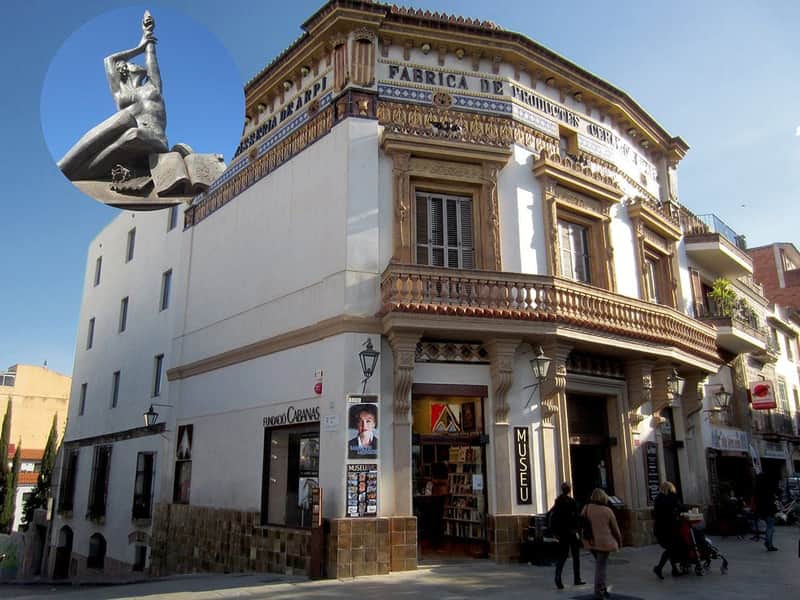
From Arpí Pottery to Marilyn Monroe, the museum with it all!
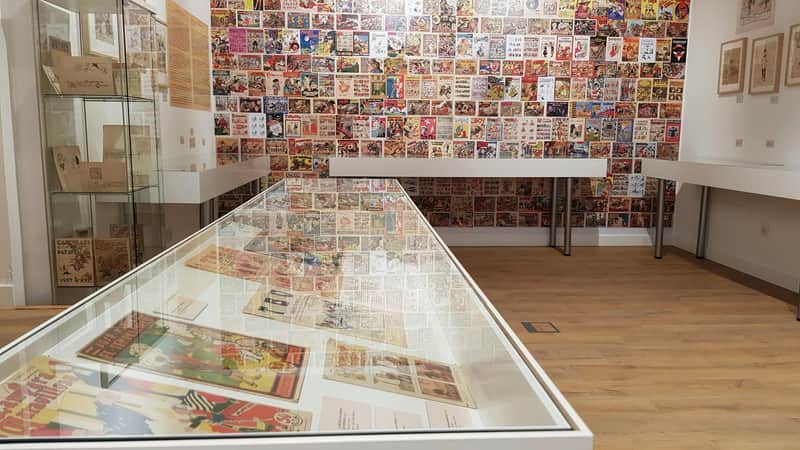
Learn about the history of comics from the late 19th century to the present day

Temporarily unavailable
Try the water attractions and relax in the picnic areas
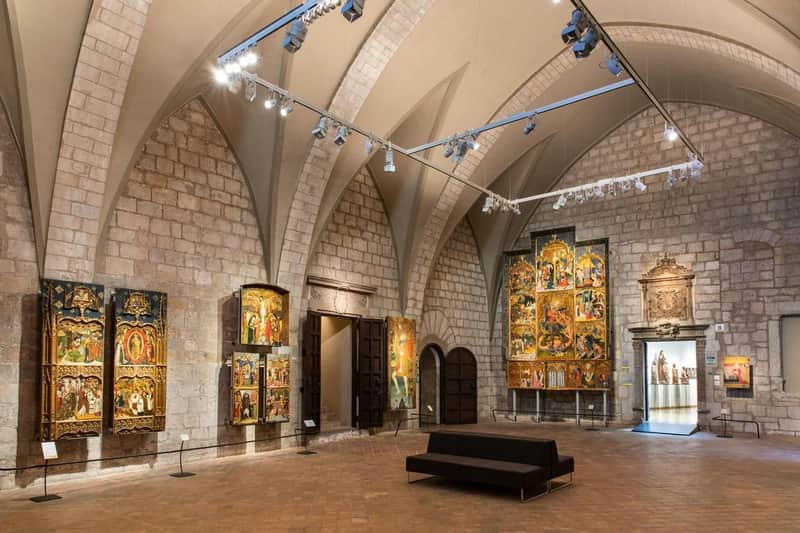
Explore art, history, and culture inside Girona's former Episcopal Palace
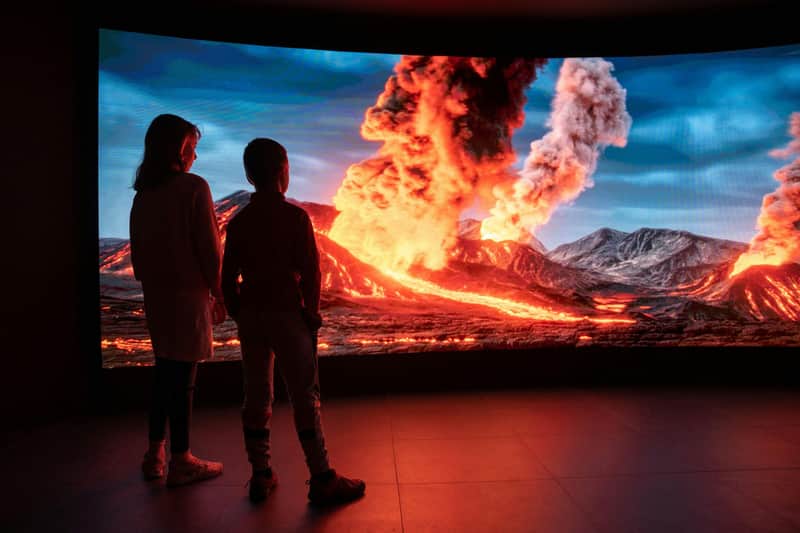
Become a volcanologist for a day while inside an actual volcano
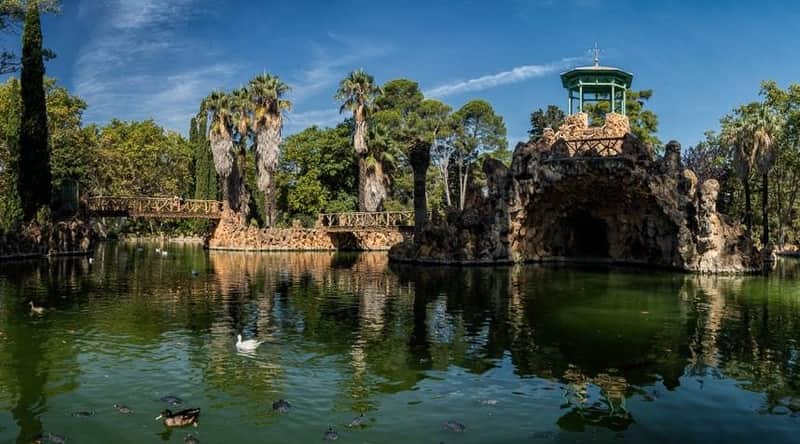
A slice of heaven on earth with rare animals and plants
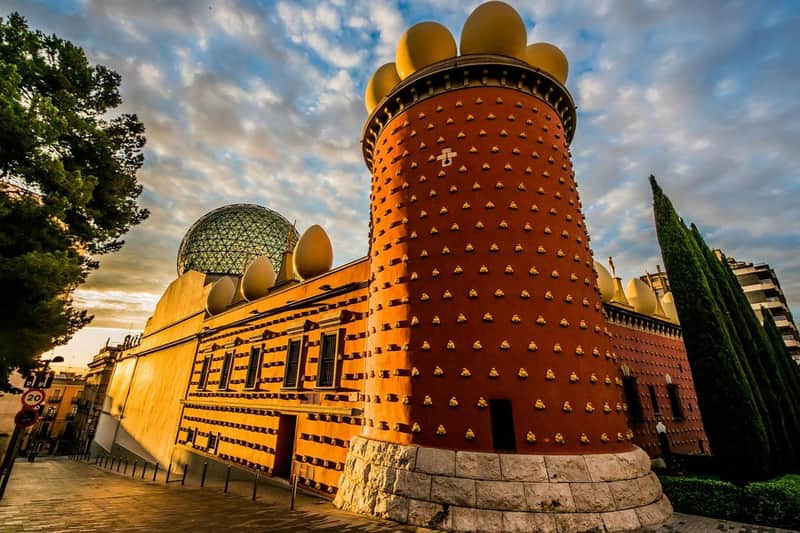
Become an expert of Dalí with a guided tour of his Theatre-Museum in Figueres
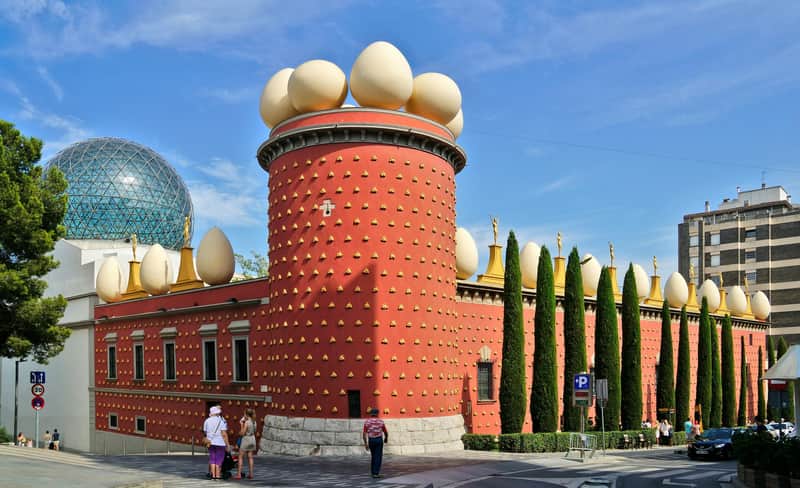
All things Dalí in the place he was born – step into the home of Surrealism
Book your Mies van der Rohe Pavilion entry securely. All transactions are processed via encrypted end-to-end systems to protect your data.
Get authentic Mies van der Rohe Pavilion entry tickets with confidence. All options are sourced directly from trusted partners to ensure access.
Change your Mies van der Rohe Pavilion plans with no stress. Most featured tickets offer free cancellation up to 24 hours before your scheduled visit.
Planning your visit to Mies van der Rohe Pavilion in Barcelona? Compare entry options, check opening hours, and secure skip-the-line tickets online.