


Bestseller
Istanbul
Hagia Sophia: Skip The Line Ticket
Bypass the ticket line to Istanbul's most awe-inspiring mosque
3.4(55)
From
$37.24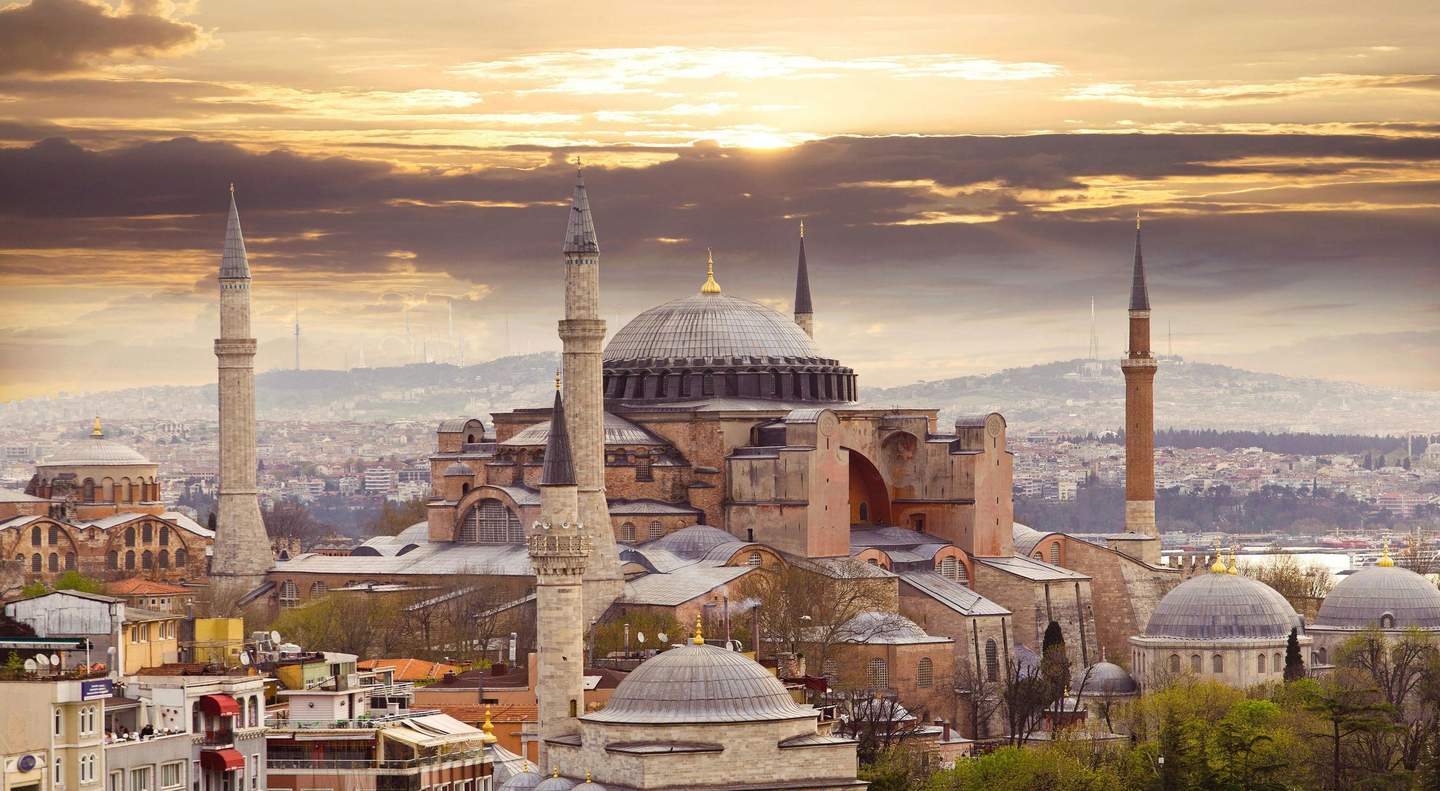
Step into Istanbul’s iconic Hagia Sophia without wasting time waiting in long ticket queues. Secure fast-track entry to explore magnificent domes and ancient mosaics for an unforgettable, stress-free visit.
7 activities found
Bypass the ticket line to Istanbul's most awe-inspiring mosque
Embark on a timeless adventure to explore the city's top three attractions
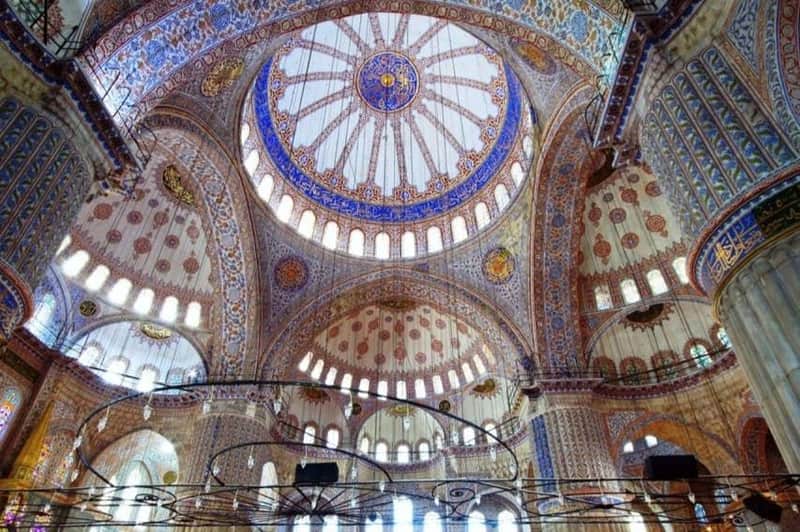
Hear captivating stories and see famous blue tiles up close
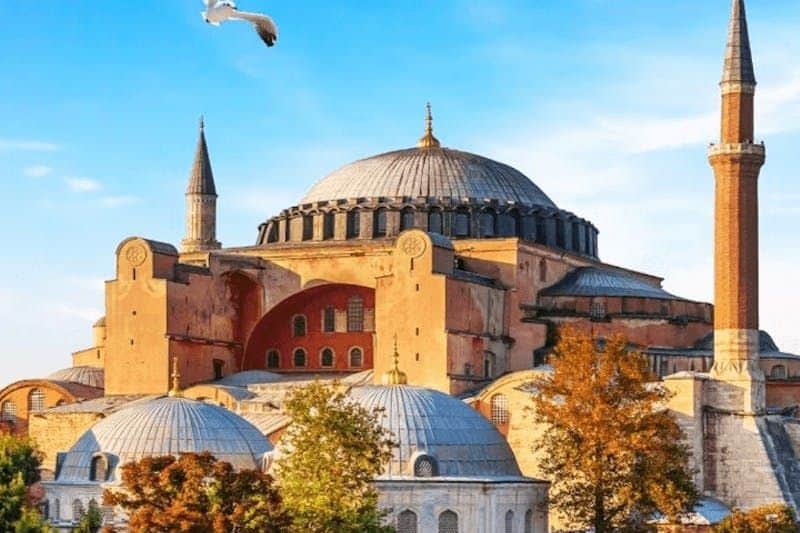
Experience Istanbul's history with combined access to two top sites
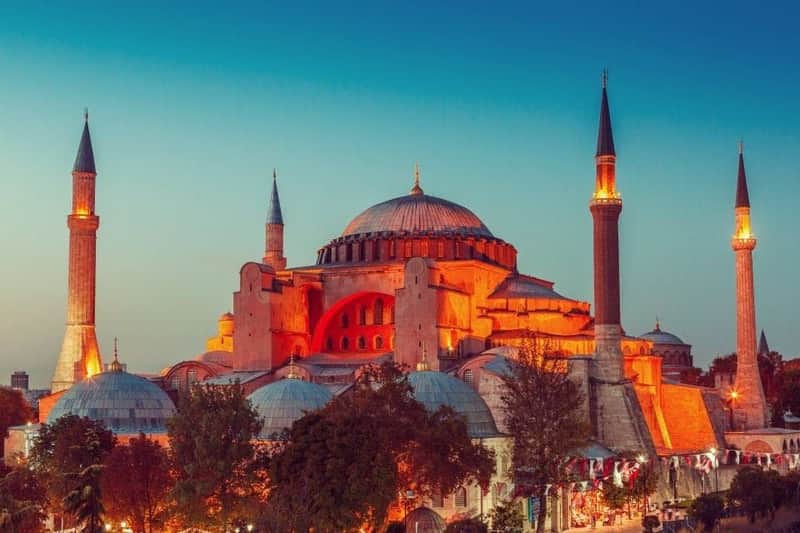
Set off on a 1500-year Byzantine history tour
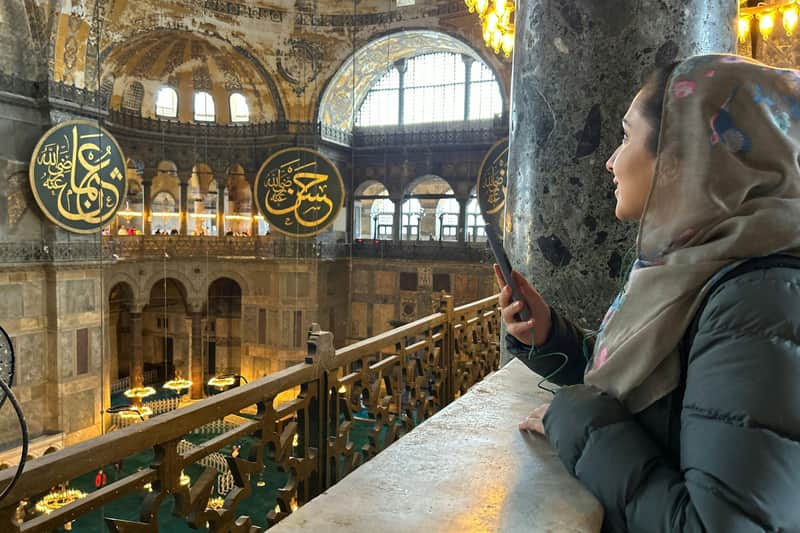
Explore historic sites and enjoy a scenic cruise for a unique view of Istanbul
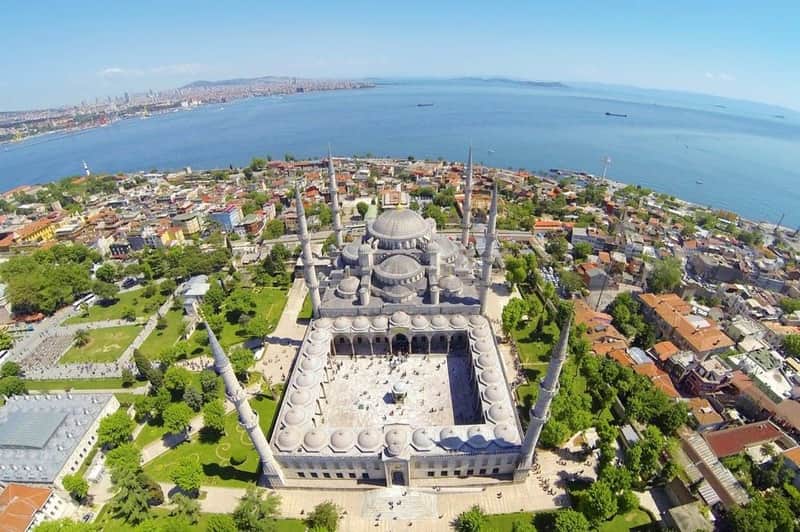
Visit historical places and learn their cultural significance
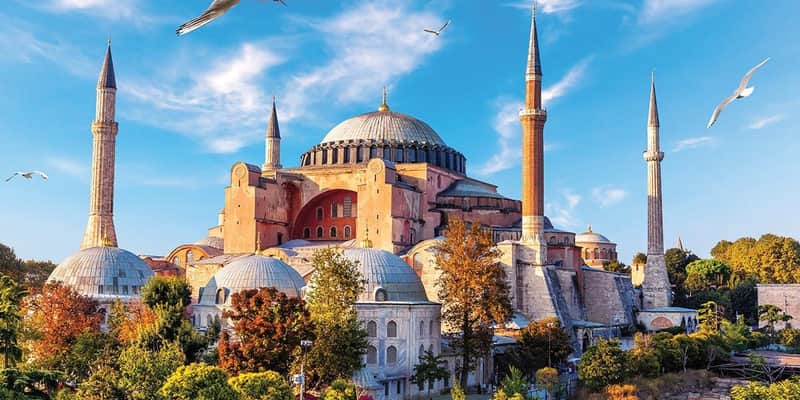
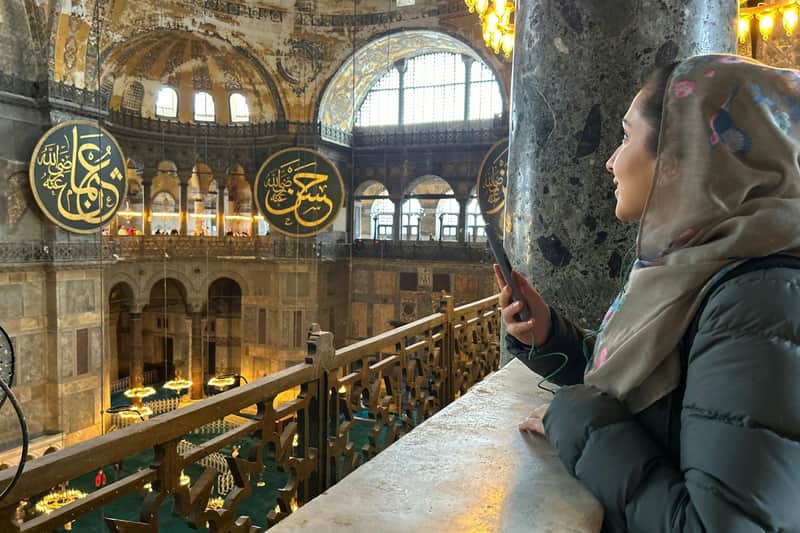
Standing as a monumental testament to centuries of shifting empires, Hagia Sophia remains one of Istanbul’s most breathtaking architectural wonders. Originally constructed as a Byzantine cathedral in the sixth century before transforming into an Ottoman imperial mosque, this sacred space captures the rich fusion of Christian and Islamic heritage. Visitors stepping beneath its colossal soaring dome are immediately greeted by golden mosaics, intricate Islamic calligraphy, and an atmosphere steeped in history. The interplay of soft light filtering through dozens of arched windows illuminates grand marble columns, creating a serene and awe-inspiring setting that defines the heart of the city.
Because this historic masterpiece attracts millions of travelers each year, long entrance queues are a standard sight throughout the day. Choosing direct timed-entry access allows smart sightseers to bypass tedious ticket lines entirely, preserving valuable holiday hours for meaningful exploration. Fast-track entry ensures a seamless transition straight into the heart of the sanctuary, allowing guests to wander the expansive naves and upper galleries at a relaxed pace. By eliminating the stress of waiting outside in lengthy crowds, priority access transforms a visit to Hagia Sophia into an effortless and unforgettable cultural highlight.
Side-by-side comparison of prices, durations, inclusions, and features
| Ticket | Price from | Duration | Guides | Features | Venues Included | Cancellation | Rating | View |
|---|---|---|---|---|---|---|---|---|
| Hagia Sophia: Skip The Line Ticket ProductGroup Supplier Tiqets Bestseller | $37.24 | - | - | Smartphone TicketsInstant Ticket DeliverySkip The LineKids Friendly | Non-refundable | 3.4 (55 reviews) | Book | |
| Blue Mosque & Basilica Cistern: Skip The Line Tickets + Tour Cosmic Tickets Audios Turizm ve Tic. Ltd Sti. | $60.57 | 4 h | EN EN, FR, DE, IT, ES | Smartphone TicketsInstant Ticket DeliverySkip The Line | Up to 1 day before | 3.5 (31 reviews) | Book | |
| Blue Mosque & Hagia Sophia: Guided Tour Cosmic Tickets Audios Turizm ve Tic. Ltd Sti. | $62.82 | 2 h | EN | Smartphone TicketsInstant Ticket DeliverySkip The LineKids Friendly | Up to 1 day before | 4.5 (6 reviews) | Book | |
| Hagia Sophia & Topkapi Palace: Skip The Line Ticket + Guided Tour Cosmic Tickets Audios Turizm ve Tic. Ltd Sti. | $107.69 | - | EN, FR, DE, IT, ES | Smartphone TicketsInstant Ticket DeliverySkip The Line | Up to 1 day before | 2.4 (18 reviews) | Book | |
| Hagia Sophia: Skip The Line Ticket + Audio Guide Aloha Ventures Limited | $39.26 | 1 h | EN, DE, AR, TR, RU, FA, FR, IT, NL, ZH, ES, HI, RO, KO, UK, BG, PL, SV, JA, ID, EL, HU, PT, HR | Smartphone TicketsInstant Ticket DeliverySkip The LineWheelchair Accessible | Up to 1 day before | 2.3 (6 reviews) | Book | |
| Hagia Sophia: Guided Tour + Bosphorus Cruise Cosmic Tickets Audios Turizm ve Tic. Ltd Sti. | $47.11 | - | EN EN, FR, DE, IT, ES | Smartphone TicketsInstant Ticket DeliverySkip The Line | Non-refundable | New | Book |
Standing beneath the grand dome of Hagia Sophia is an encounter with over a millennium of architectural brilliance and history. This iconic masterpiece in Istanbul bridges empires, seamlessly blending Byzantine mosaics with Ottoman calligraphic art. The sheer scale of the interior, illuminated by soft light filtering through dozens of windows, evokes an immediate sense of wonder and reverence.
Visitors can admire intricate marble works and gold mosaics that have survived centuries of transformation. Securing fast-track, direct timed-entry access allows travelers to bypass long queue lines and step straight into this extraordinary monument, ensuring a stress-free experience that maximizes every moment of your journey.
Tulip Surges and Pleasant Temperatures create ideal conditions for visiting Hagia Sophia during spring, though moderate crowd growth causes outdoor ticket lines to build rapidly by mid-morning. Outside temperatures range between 15 and 25 degrees Celsius, making the queue experience along Sultanahmet Square comfortable, while moderate sunshine angles provide excellent interior lighting. The massive stone walls keep the interior relatively temperate, though occasional spring rains require extra preparation while waiting outside.
Peak Midday Lines and Sweltering Heat mark the challenging summer period, when tourist volumes reach their maximum and line waits can stretch from 30 to 45 minutes under intense sun. Outdoor temperatures routinely hit 28 to 30 degrees Celsius, turning exposure near the eastern entrance into a warm ordeal unless visitors arrive during the early 08:00 opening or late afternoon. Inside, while the historic masonry provides a degree of natural climate relief without modern air conditioning, dense crowds in the upper gallery corridors create stifling, humid pockets.
Moderate Courtyard Flow and Crisp Days make autumn one of the most rewarding periods to explore the complex. As summer tourist numbers drop significantly by October, entry queues shrink to highly manageable lengths and move rapidly. Outdoor temperatures hover comfortably around 20 degrees Celsius, allowing for pleasant outdoor waits, while the natural light entering through the dome windows remains strong enough for vivid viewing of the historic interior mosaics.
Minimal Entry Waits and Chilly Interiors characterize the winter low season, offering the shortest queues of the year with near-immediate access outside of major holiday windows. Outdoor conditions are often cold and wet, requiring visitors to brace for brisk weather in the open plaza. Inside, the vast structural volume has limited heating, leaving the upper gallery areas distinctly chilly and requiring warm layered clothing to comfortably enjoy the monument.
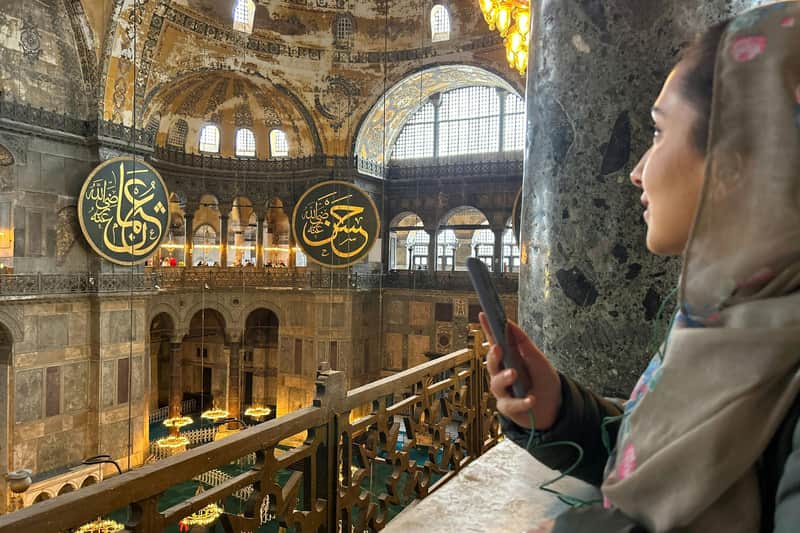
Entering through the designated visitor entrance: Begin your journey through Hagia Sophia by heading directly up the stone ramp toward the upper gallery level, where non-worshipper visitor routes are designated. As you step into the gallery, take time to absorb the sweeping panoramic views looking down into the vast central nave and towering floating dome above. Walk along the south gallery to closely examine the famous, highly detailed Byzantine mosaics, including the Deësis mosaic, while using your mobile device or audio guide to follow along at your own pace.
Continuing through the upper gallery loop: Follow the official designated pathway towards the east and west sections to view intricate Islamic calligraphy panels and historic architectural details up close. Proceed along the gentle exit ramp leading back toward the ground level, ensuring you admire the impressive marble doors and historical structure as you head outside. Conclude your tour by exiting through the beautiful courtyard towards the nearby historical tombs and Sultanahmet Square.
Hagia Sophia is open to visitors daily from 9:00 AM to 7:30 PM, though hours may vary slightly by season or area. Tourist access is temporarily restricted during daily prayer times and for Friday midday prayers.
Hagia Sophia has no weekly closing days and is open year-round, but it is closed to tourists during prayer times and offers free entry to its main prayer floor for worshippers while foreign tourists pay for upper gallery access.

Book your Hagia Sophia entry securely. All transactions are processed via encrypted end-to-end systems to protect your data.
Get authentic Hagia Sophia entry tickets with confidence. All options are sourced directly from trusted partners to ensure access.
Change your Hagia Sophia plans with no stress. Most featured tickets offer free cancellation up to 24 hours before your scheduled visit.
Planning your visit to Hagia Sophia in Istanbul? Compare entry options, check opening hours, and secure skip-the-line tickets online.